
Starting Muay Thai later in life
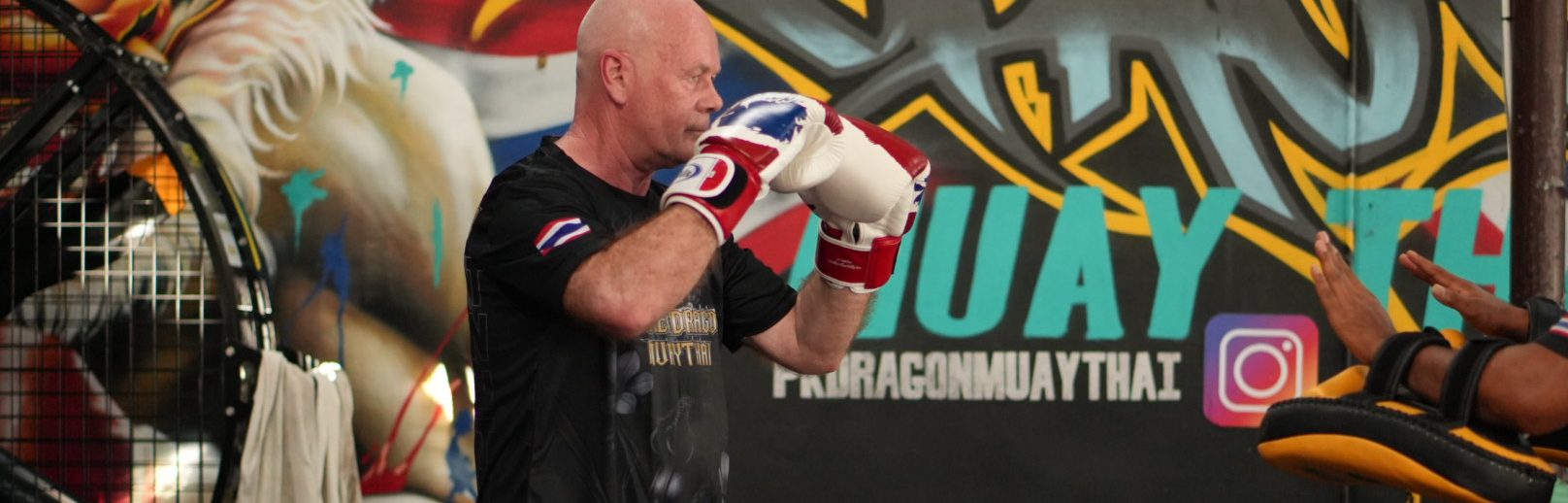
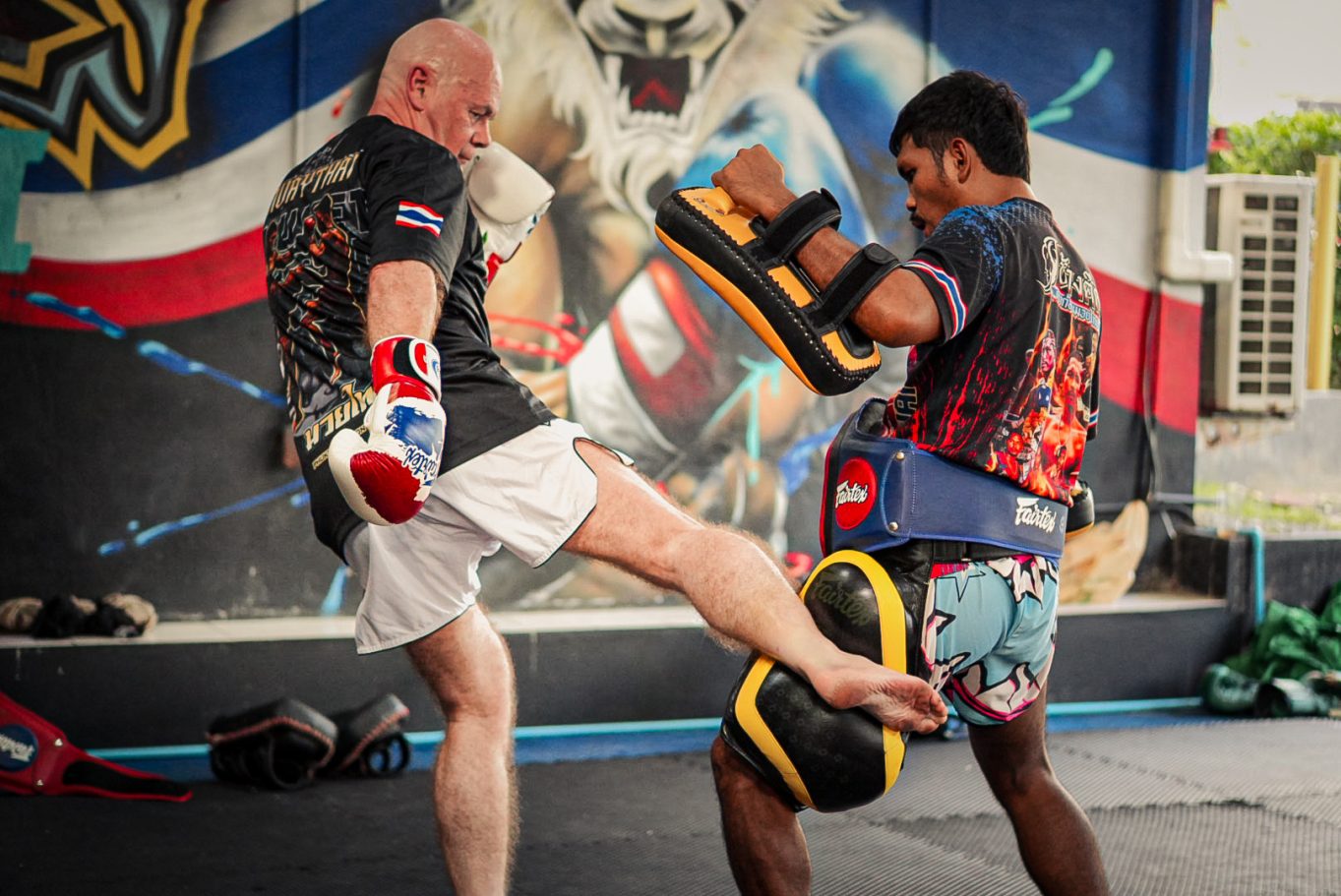
When you start Muay Thai later in life, the hardest part ins't physical.
It's walking into the gym for the first time, not knowing what to expect, and not quite knowing how you'll fit into what's already happening.
Everything feels new at once. The space. The rythm. The people. The movement.
Even if you've watched videos or read about it beforehand, none of that fully prepares you for what it actually feels like in the room.
And that's where most of the uncertainty comes from.
The first sessions.
The first few sessions are not dramatic. There's no moment where everything clicks. No immediate sense of progress.
Instead, it feels:
- slightly confusing
- slightly awkward
- harder to follow than expected
You're trying to:
- remember what you've just been shown
- coordinate movements that don't come naturally yet
- keep track of what your body is doing
All the while being aware that other people seem to know what's going on. That combiination can feel uncomfortable - especially at first.
What feels difficult
What surprised me wasn't the physical effort - it was coordination.
Even simple things:
- a basic jab
- a step and turn
- holding a guard
felt unfamiliar.
Not because they were complicated, but because they were new.
There's a tendency at this stage to assume:
"I'm not picking this up quickly enough"
But that isn't really what's happening.
You're just learning something that your body hasn't done before.
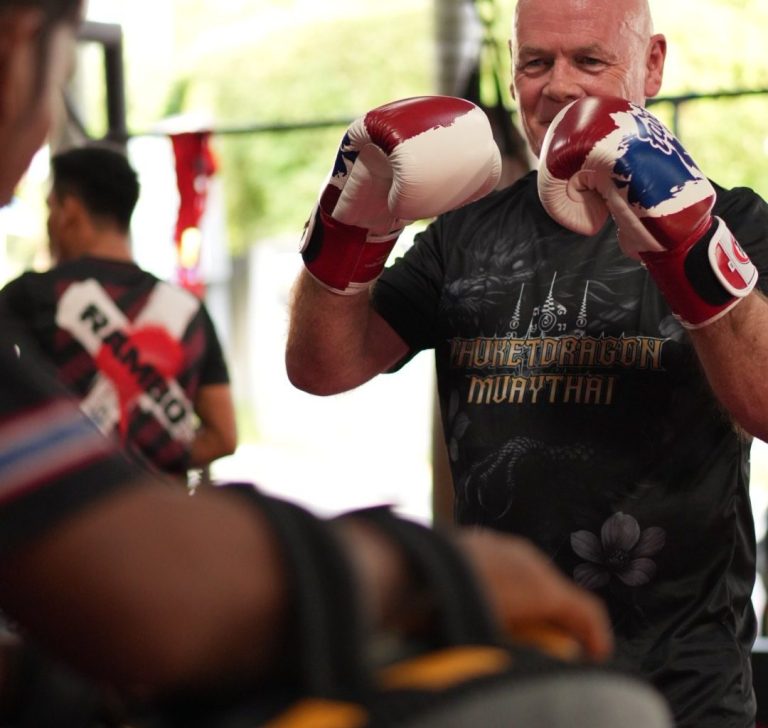
The awkwardness phase
Almost everyone goes through a period where they feel:
- self-conscious
- unsure of what th're doing
- slightly out of rythm
That doesn't mean you're struggling more than others.
It means you're at the beginning.
In fact, that awkwardness is often a reliable sign that somethign new is being learned.
It just doesn't feel like progress yet.
The role of repetition
After a few sessions, something subtle changes. Not dramatic - but enough to notice.
Movements begin to feel:
- slighy more familiar
- slightly less rushed
- easier to return to
This doesn't come from pushing harder. It comes from repetition.
Doing the same things again, without expecting then to feel perfect.
Over time, that repetition reduces hesitation.
Physical adaptation
For most people starting later in life, the body adapts more slowly than the mind expects. You notice:
- fatique appearing earlier
- stiffness in unfamiliar areas
- recovery takes longer
This is normal.
It doesn't mean you're not capable - it means pacing matters more.
And when pacing is respected, consistency becomes possible.
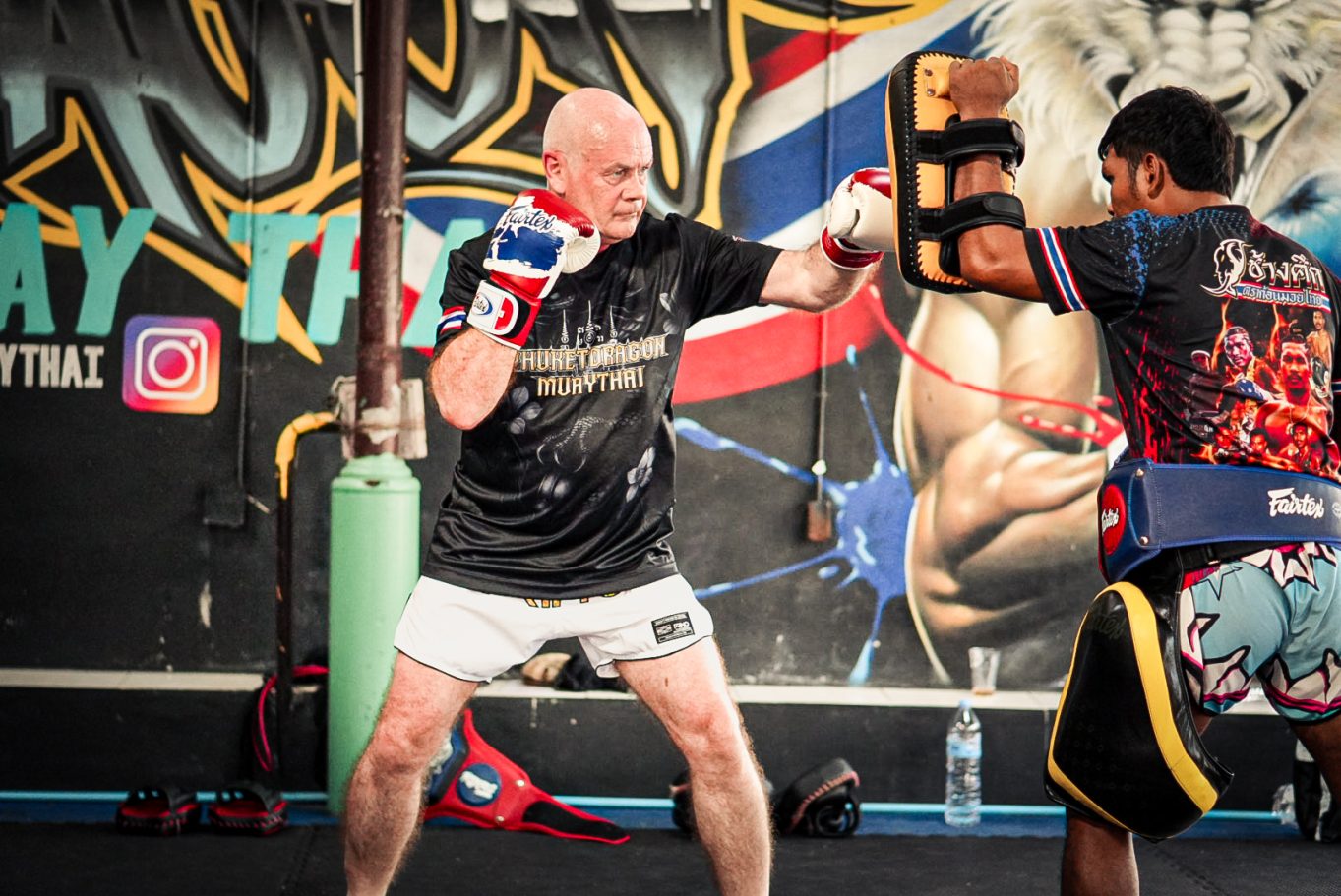
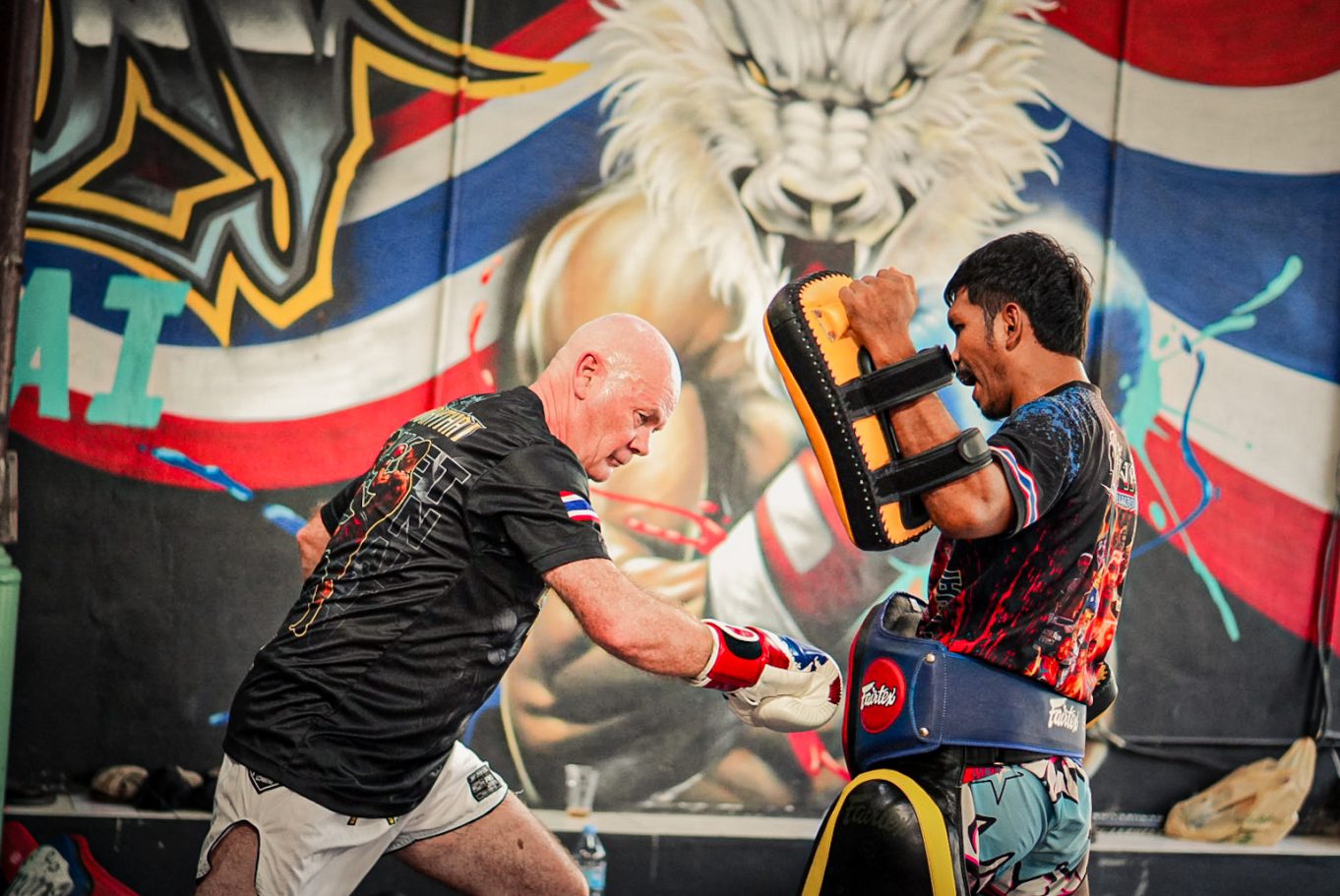
What starts to change
With a bit of time, a few things begin to shift. You feel:
- less anxious walking into the gym
- more comfortable in the environment
- more aware of what's expected
IThe movements don't become easy - but they become:
- recognisable
- repeatable
- manageable
That's where confidence starts. Not in performance, but in familiarity.
A different kind of progress
Progess at this stage isn't obvious. It isn't measured by:
- how hard you hit
- how fast you move
- how you compare to others
It's measured more quietly. In:
- coming back
- feeling slightly less uncertain
- noticing that what felt unfamiliar now feels possible
That kind of progress is easy to overlook - but it's what maes everything else possibel later.
A realistic takeaway
Starting Muay Thai later in life doesn't feel like a transformation.
It feels like learning, adapting, and gradually becoming more comfortable.
There isn't a single turning point where everything changes. There's just a steady shift from "I'm not sure about this" to "I think I can keep going".
And for most people, that's enough.
Read more: Articles | How beginners are taught in Thailand | Can you start Muay Thai at 50?